
German Board vs Standard Board: Why Premium Card Stock Matters
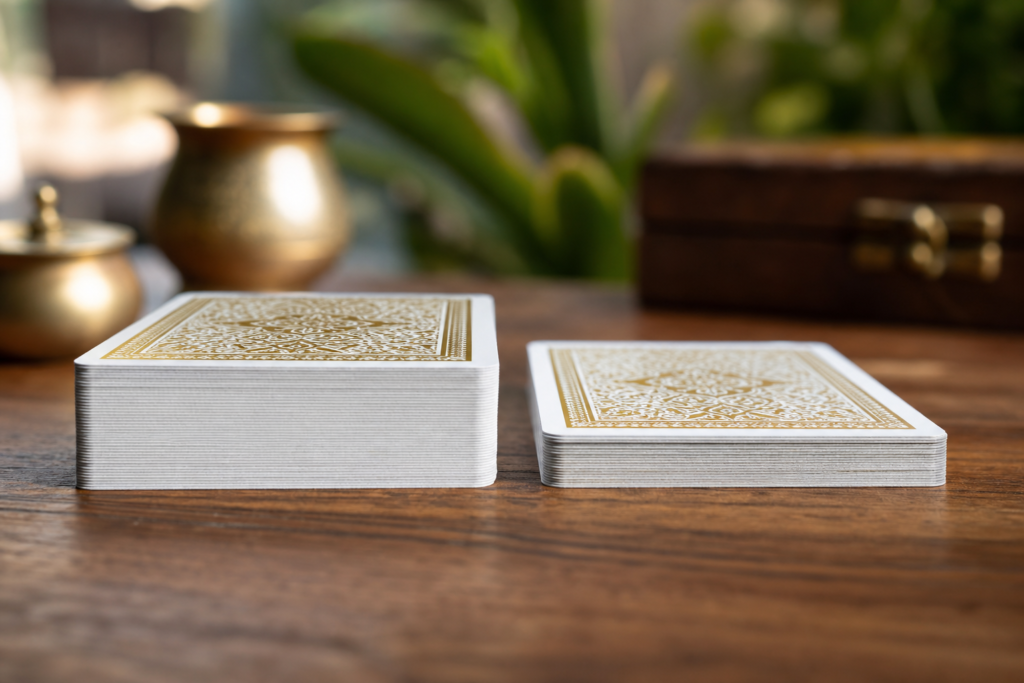
“German board” sounds like a regional deck or a skat pack. In playing-card manufacturing it means something more specific: the cardstock itself—premium board paper produced in Germany that card makers use for high-end decks. Compare that to standard board, the ordinary layered pasteboard behind most mass-market packs. Same fifty-two cards on the face; very different behaviour in the hand after the fiftieth shuffle.
What is German board paper?
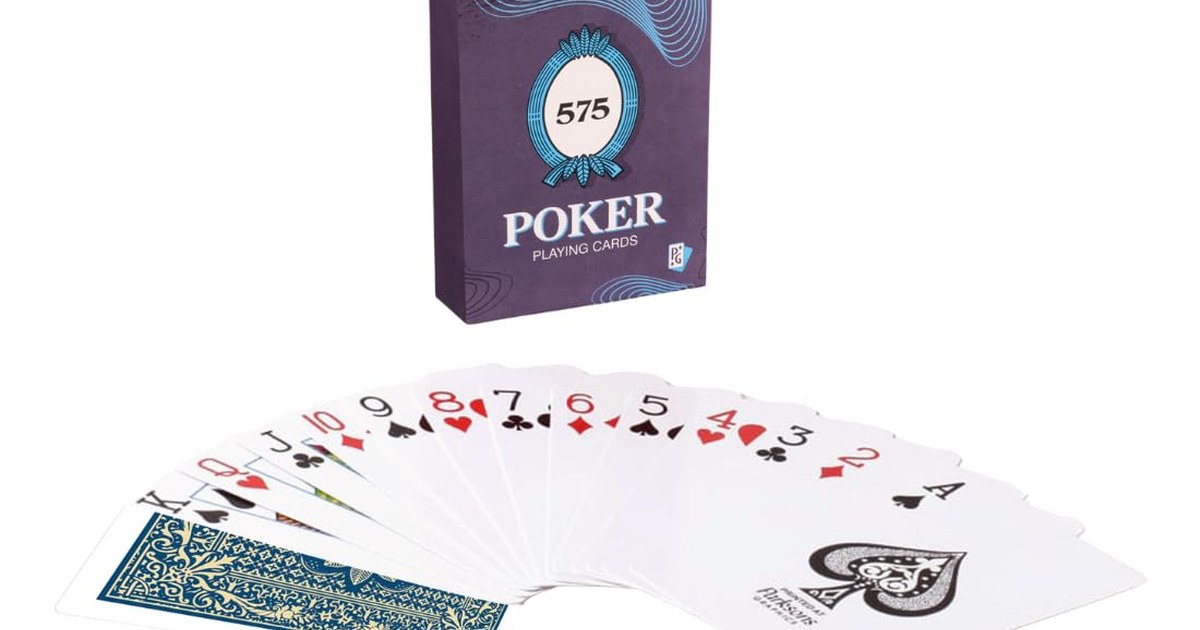
German board is a grade of playing-card stock sourced from German paper mills, valued for how it holds shape and moves through a shuffle. It is not a different game format or suit system—it is the physical foundation under the print. Factories choose it when they want a deck that feels crisp on day one and still fans cleanly weeks later.
- Better flexibility: bends and recovers without creasing or softening the way cheap stock does
- Longer lasting: resists corner fraying, edge burrs, and the limp “washed-out” feel that ends standard paper decks
- Easier to shuffle: linen-style embossing and consistent caliper let cards slide instead of clumping, even in humid rooms
- Perfect stiffness: stiff enough to spring and deal with authority, never so rigid that riffling feels like fighting the pack
What is standard board?
Standard board is the workhorse cardstock in everyday playing cards—multiple plies of pasteboard that meet basic size and weight targets without the tighter tolerances of German-grade stock. It prints well, ships cheaply, and handles a few casual games perfectly. Under heavy use, the differences show: corners nick faster, backs can delaminate, and the pack loses snap long before a premium deck would.
- Lower material cost — fine for party favours, giveaways, and very occasional play
- Variable caliper — some cards feel thicker than others in the same box, which uneven shuffles
- Moisture sensitive — absorbs oils and humidity; warps or sticks in damp weather
- Shorter fair-life — bends and shiny corners appear sooner at tables that shuffle often
German board vs standard board: what you feel at the table
- First fan: German board snaps open evenly; standard board can feel soft or uneven card to card
- Riffle shuffle: German board keeps glide; standard board clumps once edges wear or humidity rises
- Stiffness over time: German board holds its profile; standard board gradually goes floppy at the corners
- Deal speed: consistent stiffness means pitches and washes stay uniform deep into a long poker night
- Replacement cycle: standard board decks retire sooner; German board stretches the gap between new packs
None of this changes the rules of rummy, bridge, or poker—you still need fifty-two French-suited cards. It changes how pleasant and trustworthy the tool feels when the game matters.
Where German board shows up in the 575 range
575 Premium playing cards are built on German board stock precisely for these properties: the premium hand-feel players expect from fine paper, with the flexibility and stiffness that keep a deck in rotation longer than ordinary cardstock allows. You are paying for material science, not just artwork—a distinction that is easy to miss when every tuck box looks similar on the shelf.
That is a different conversation from plastic versus paper. German board is about which paper when you stay in the premium paper category. Nylon and plastic decks solve durability another way entirely; German board solves it by making paper behave better for longer.
How cards are made on each stock
Whether the factory runs German board or standard board, the pipeline is similar—print, coat, cut, collate, box. The stock choice happens at step one and echoes through every step after. Better board takes varnish evenly, holds registration during cutting, and survives quality checks on bend tests that thin standard plies fail. For a walk through the full process, see how poker cards are made.
Which should you choose?
- Standard board — one-off events, light home use, or when the deck is effectively a souvenir
- German board — regular game nights, club play, retailers, and anyone tired of replacing soft decks mid-season
- 575 Premium on German board — when you want the best of both worlds: a genuinely premium paper card that lasts longer and shuffles easier than standard stock, without leaving the feel serious players prefer
Next time someone mentions “German board,” they are talking about the paper in your hand—not the country on the court cards. For a deck where that difference is the whole point, 575 Premium is the line that puts German board stock to work every deal.