
Best Playing Cards for Rummy: Size, Material, and Twin Packs
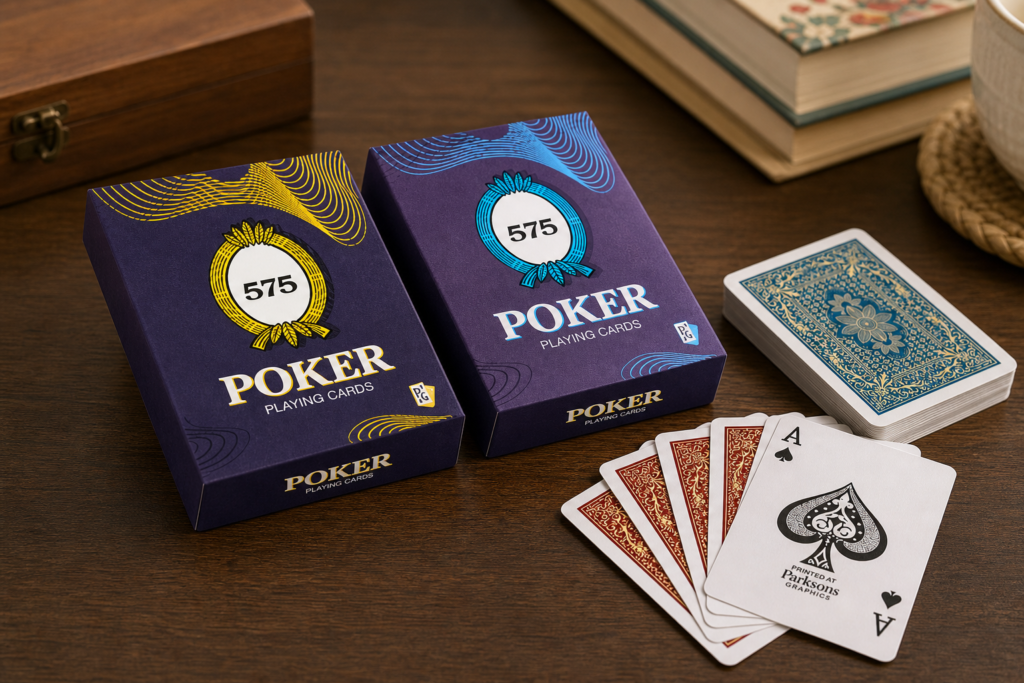
Rummy is gentle on rules and brutal on decks. You deal large hands, shuffle two packs together for bigger tables, and riffle constantly as players draw and discard. The best playing cards for rummy are not always the prettiest in the shop—they are the ones that stay flat, slide cleanly, and stay readable after the hundredth meld. Here is what to look for before your next 13-card session or family rummy night.
What rummy demands from a deck
- Large hands: 7–13 cards per player means you fan wide—corner indices must be crisp
- Multi-deck play: two standard 52-card packs (plus jokers) are common for 4+ players; both decks should match in size and finish
- Constant shuffling: stock and discard piles turn over fast; soft corners and warped cards slow the game
- Table talk and snacks: spills and sticky fingers happen; washable plastic or nylon outlasts paper here
- Long sessions: contract and pool rummy can run hours—deck stiffness matters late at night when players tire
Poker size vs bridge size
Poker-size cards (≈ 63 × 88 mm) are the most widely available and feel familiar to players coming from poker or casual games. Bridge-size cards (≈ 57 × 89 mm) are narrower—many rummy regulars prefer them because thirteen cards fit in one hand with less strain.
There is no universal “correct” size: match your table. If half the group plays bridge-size rummy at the club, buying the same for home keeps muscle memory consistent. If you already own poker-size decks for mixed game nights, they work perfectly for rummy as long as quality is solid.
Paper, plastic, or nylon?
For occasional indoor rummy, quality paper with a linen-style finish is fine—replace the deck when corners bend or backs look shiny. For weekly games, teaching grandchildren, or monsoon humidity, plastic or nylon decks pay back their higher price in months of play. See our full comparison in plastic vs paper playing cards.
- Paper: best value for light use; keep a twin pack so you can pair two identical decks
- Nylon/plastic: best for frequent shuffles, outdoor terraces, and tables with food and drink
- Avoid: thin souvenir decks and mismatched odd packs when running two-deck rummy—size differences are maddening when you shuffle together
Features that actually help at the table
- Clear corner indices — speed up sorting sequences and sets in a fanned hand
- Consistent caliper — cards of even thickness shuffle evenly; cheap decks often feel “thick-thin-thick” in the stack
- Two jokers per deck when rules use wild cards—confirm the box includes jokers before you buy a second pack
- Matching twin packs — same back design and size so the combined 104-card shoe shuffles as one
- Dark, high-contrast backs — reduce accidental flashes when discarding or lifting the stock pile
Recommendations by how you play
- Family rummy at home (monthly): two matching standard paper decks, poker or bridge size depending on hand comfort
- Indian 13-card / points rummy (weekly): bridge-size or poker-size nylon or plastic for durability; two identical decks essential
- Club or tournament style: casino-weight paper or nylon with identical backs across all tables; retire any deck with a bent card
- Travel and trains: one compact deck plus a second stashed in the bag—narrow bridge size fits small trays; see card games for train trips for quiet-game tips
Our pick for serious rummy tables
For players who want one purchase to cover months of draws and discards, 575 Playing Cards—especially the nylon and plastic ranges built for repeated shuffling—match what rummy asks for: consistent slide, stiff stock that recovers from riffles, and construction from a manufacturer with long experience in playing-card production. Pair two identical decks for four-player canasta-style sessions or classic multi-deck rummy; keep a paper twin pack in reserve for guests who prefer the traditional feel.
The best cards for rummy are the ones your table stops noticing—because deals are fast, hands are readable, and nobody is arguing about a bent seven. Invest once in the right size, material, and twin-pack match, and the game stays about melds and timing, not the deck.