
How to Care for Your Playing Cards: Cleaning, Storage, and Extending Deck Life
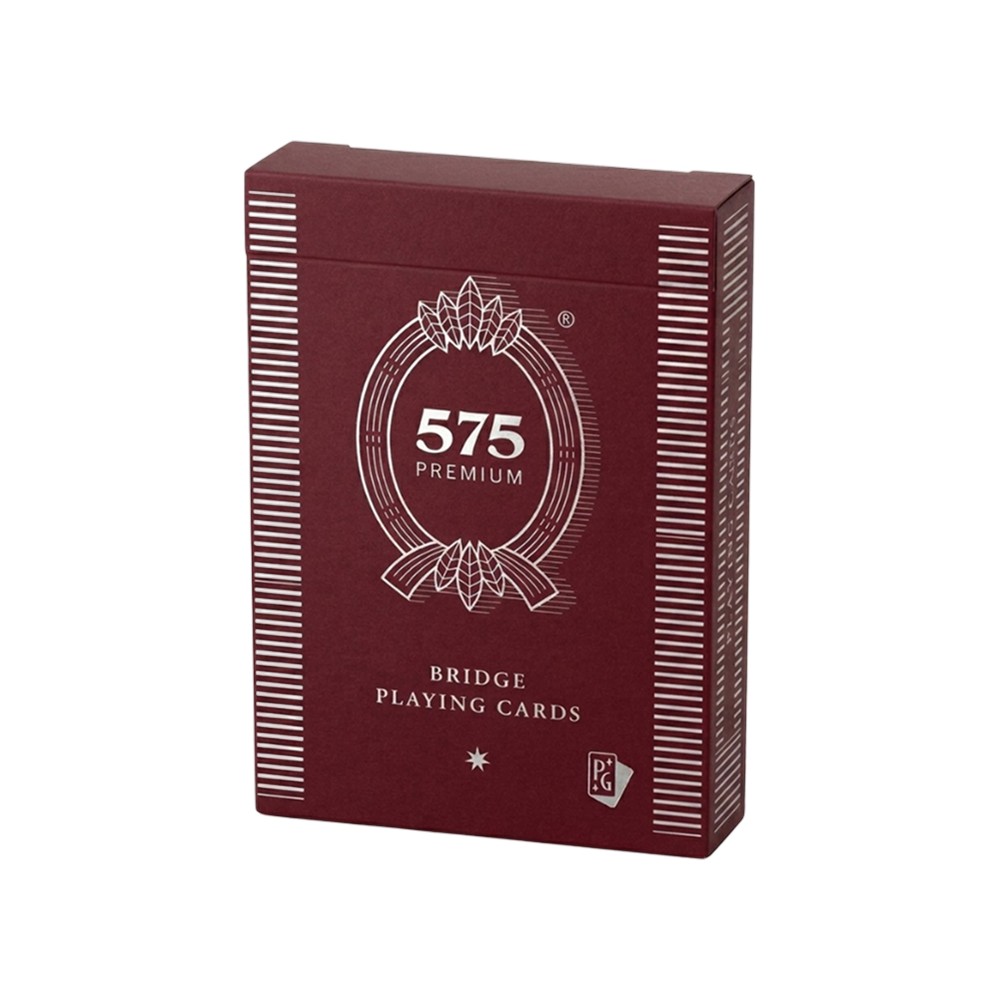
A deck dies slowly—corners pick up shine, a back warps in monsoon humidity, one card sticks out because someone grabbed it with greasy fingers. Most of that wear is preventable. Good care does not mean treating cards like museum pieces; it means a few habits at the table, the right cleaning approach for your material, and storage that keeps the pack square. Whether you play with 575 Nylon plastic, standard paper, or 575 Premium on German board, the goal is the same: fair shuffles, readable faces, and more game nights before you open a fresh tuck box.
Habits that protect every deck
- Wash and dry hands before dealing—skin oils are the main reason corners go slick and backs pick up marks
- One surface — play on a clean table or mat; grit scratches faces and edges
- No rubber bands long-term — they crease cards and leave impressions; use the tuck box or a deck clip meant for cards
- Rotate direction — flip the pack occasionally so the same edge is not always on the bottom of the pile
- Retire bent cards — a single dog-eared card changes how the deck fans; swap it or replace the deck for serious play
These rules apply whether you are running a weekly 13-card rummy table or a casual poker night. Material determines how forgiving the pack is when someone forgets a rule—but habits still matter.
Cleaning: plastic vs paper vs German board
Nylon and plastic decks
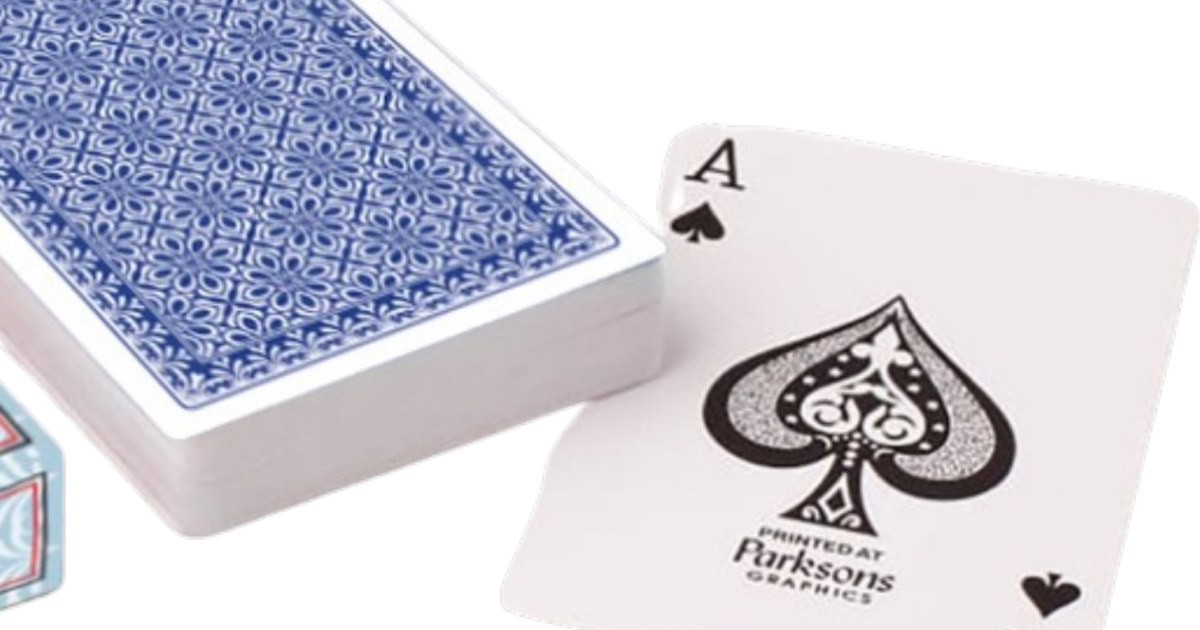
575 Nylon Playing Cards and other plastic-composite decks are built for mess. Wipe faces and backs with a slightly damp cloth (water only, or a drop of mild dish soap on the cloth—not poured on the card). Dry flat or stand them in the tuck box with the lid open until moisture is gone. Avoid harsh solvents, acetone, and abrasive sponges; they can dull the finish or lift print.
- Spills: rinse-style wipe immediately; plastic survives what ruins paper in seconds
- Frequency: a quick wipe every few sessions keeps slide consistent
- Do not: run plastic cards through a dishwasher or leave them in direct sun to “dry fast”—heat warps PVC-style stock
Standard paper decks
Ordinary paper cards and cheap cardstock do not want water. Once moisture hits the plies, warping and delamination follow. For light soiling, gently brush the edge of the deck with a dry microfibre cloth while holding the pack square. A single sticky card can sometimes be replaced from a spare deck; soaking the whole pack is rarely worth it.
575 Premium on German board
German board is premium paper stock—not a different game format—with better flexibility, stiffness, and recovery than standard board. It still behaves like paper around liquids: keep drinks off the felt and blot accidental splashes right away. The payoff is longevity: corners and edges hold up longer under the same care, so your cleaning routine is “gentle and dry,” but replacement cycles stretch further. For what German board actually is, see German board vs standard board; for how it compares to plastic on price and feel, see plastic vs paper playing cards.
Storage that extends deck life
- Use the tuck box — it is sized to prevent bent corners; loose cards in a drawer are how decks die
- Cool and dry — avoid bathroom cabinets, car dashboards, and window sills; humidity swells paper and can stress plastic over time
- Flat or upright — store the box flat so cards stay even; if upright, do not cram heavy objects on top
- Travel — a rigid case beats a rubber band in a backpack; for long trips with kids, see card games for a train trip
- Twin packs — for rummy and multi-deck games, keep matched decks in separate boxes so you do not mix worn and fresh cards; our guide to best playing cards for rummy covers why matching pairs matter
If you live in a humid city, consider keeping the deck inside the room where you play rather than an un-air-conditioned store room. Plastic handles damp air better; German board paper handles it better than standard board—but neither loves a wet monsoon season in a sealed plastic bag with condensation inside.
Shuffle and handling without cheating the deck
Over-hand shuffles and gentle riffles wear cards less than violent bends and “table wash” slams. Teach kids to square the deck before each deal; a crooked pack creases the bottom card every time. For plastic, a consistent riffle keeps the factory slide; for premium paper, let cards glide—forcing a clumpy shuffle when humidity is high damages edges faster.
Fair play also means knowing when to stop using a deck: when a back pattern is scuffed enough to read from across the table, when corners are rounded to white, or when one card is stiffer than the rest. Rotating two decks for heavy home games doubles calendar life without changing how the cards feel mid-session.
When to replace the pack
- Readable backs — any tell from wear is a fairness problem, not a cosmetic one
- Shiny corners — players who know the deck can track marked cards
- Warp or soft corners — the deck will not fan evenly no matter how you store it
- Missing or duplicated cards — verify the full set before a tournament or money game
Plastic nylon decks often outlast several standard paper packs in the same rotation; 575 Premium on German board sits in the middle—paper feel with materially longer fair-life than everyday cardstock. Measuring cost per month of play, that durability is part of the value proposition, not just the first fan.
Quick care cheat sheet
- 575 Nylon plastic: damp wipe, dry flat, waterproof at the table, lowest hassle in rainy season
- Standard paper: dry hands, dry storage, no soaking, expect shorter rotation
- 575 Premium German board: same dry care as paper, better recovery and edge life—premium feel without treating the deck as disposable after a few spills near the table
- Everyone: tuck box, no long-term rubber bands, replace when backs or corners fail the fairness test
Caring for cards is caring for the game—clean deals, honest backs, and a shuffle that still feels good months in. Choose material for your table (waterproof nylon, premium German board paper, or both in rotation), then let simple storage and handling do the rest. Browse 575 decks when it is time for a fresh tuck box, and keep the old pack for practice shuffles or travel where wear does not matter.